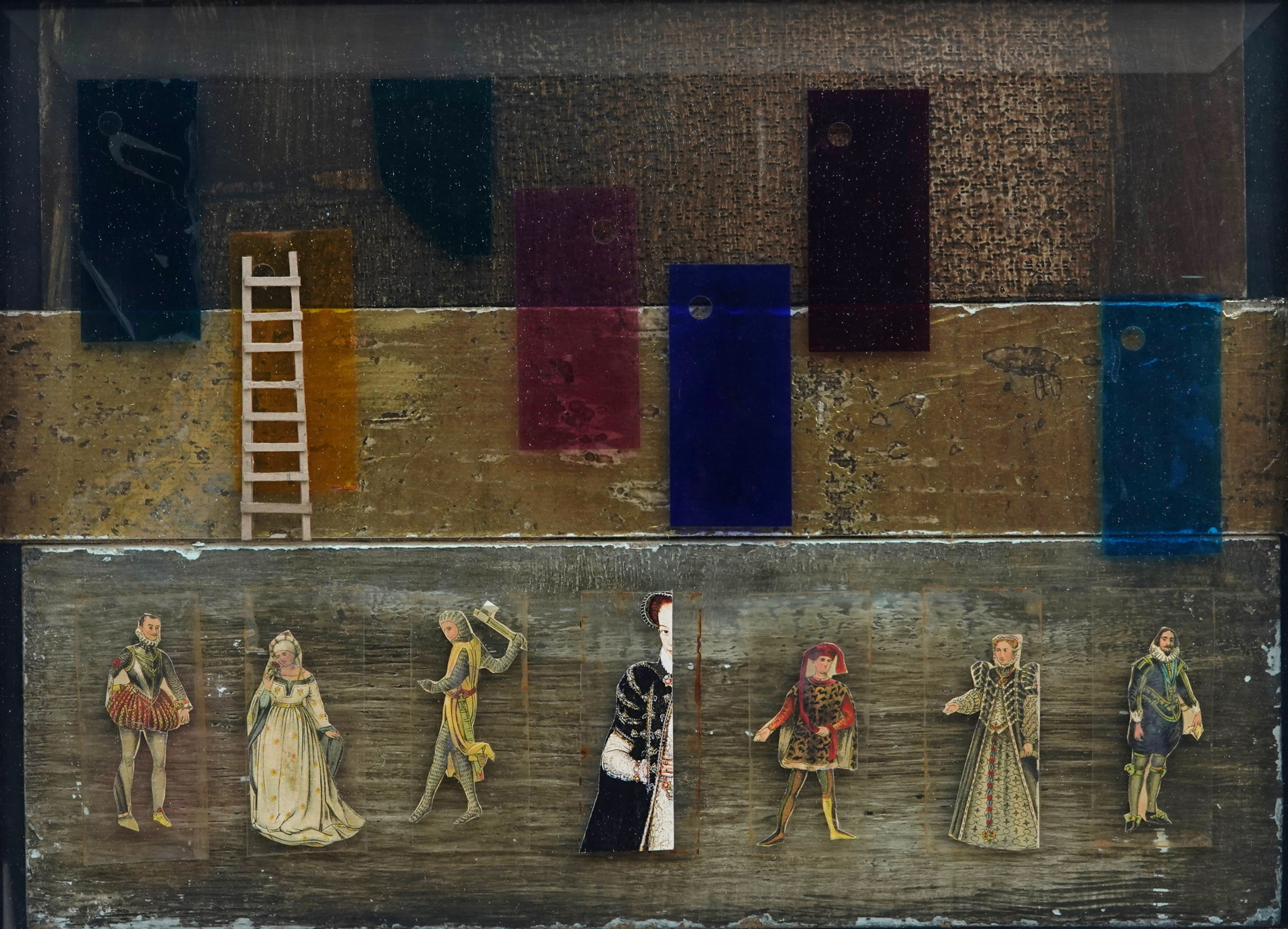
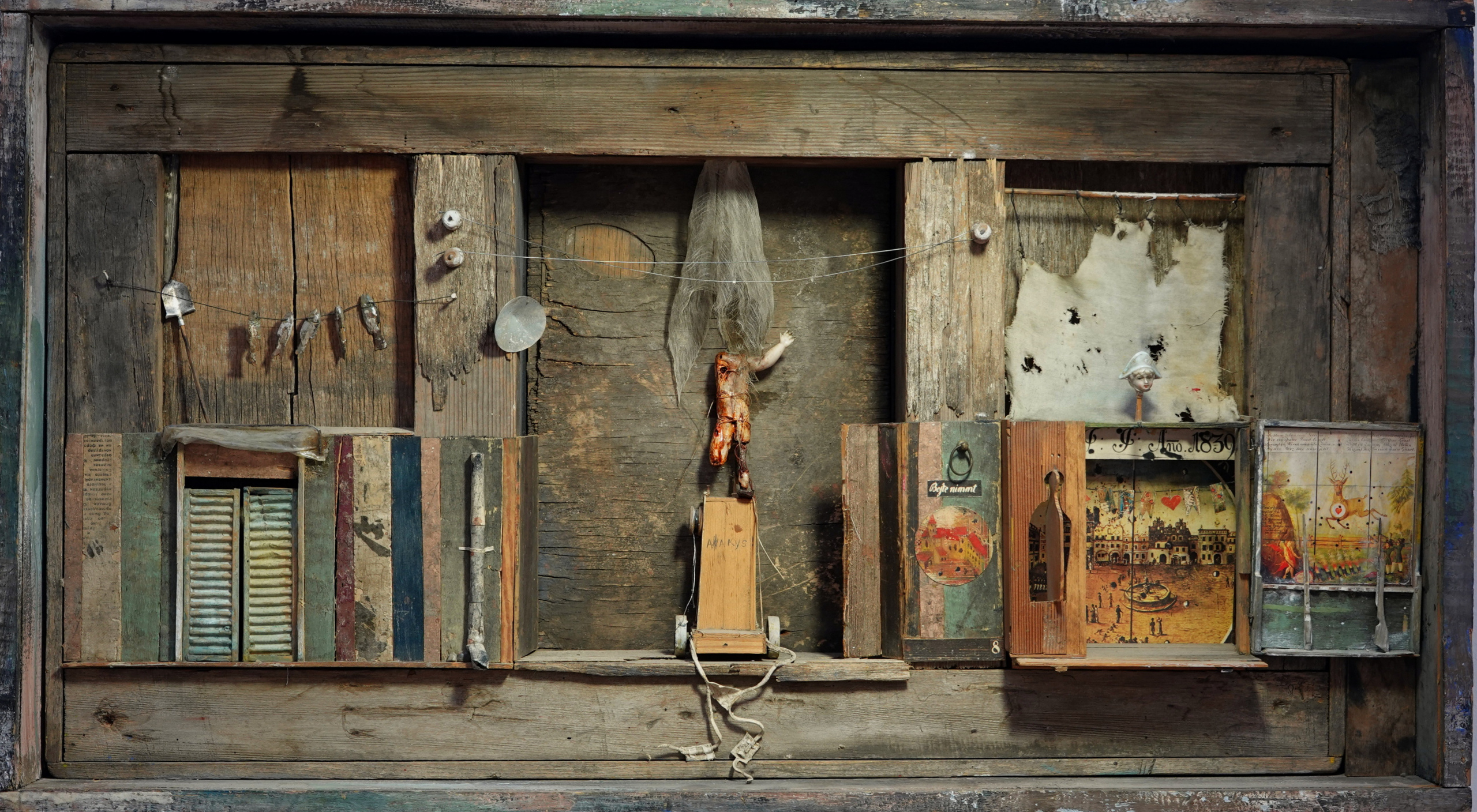
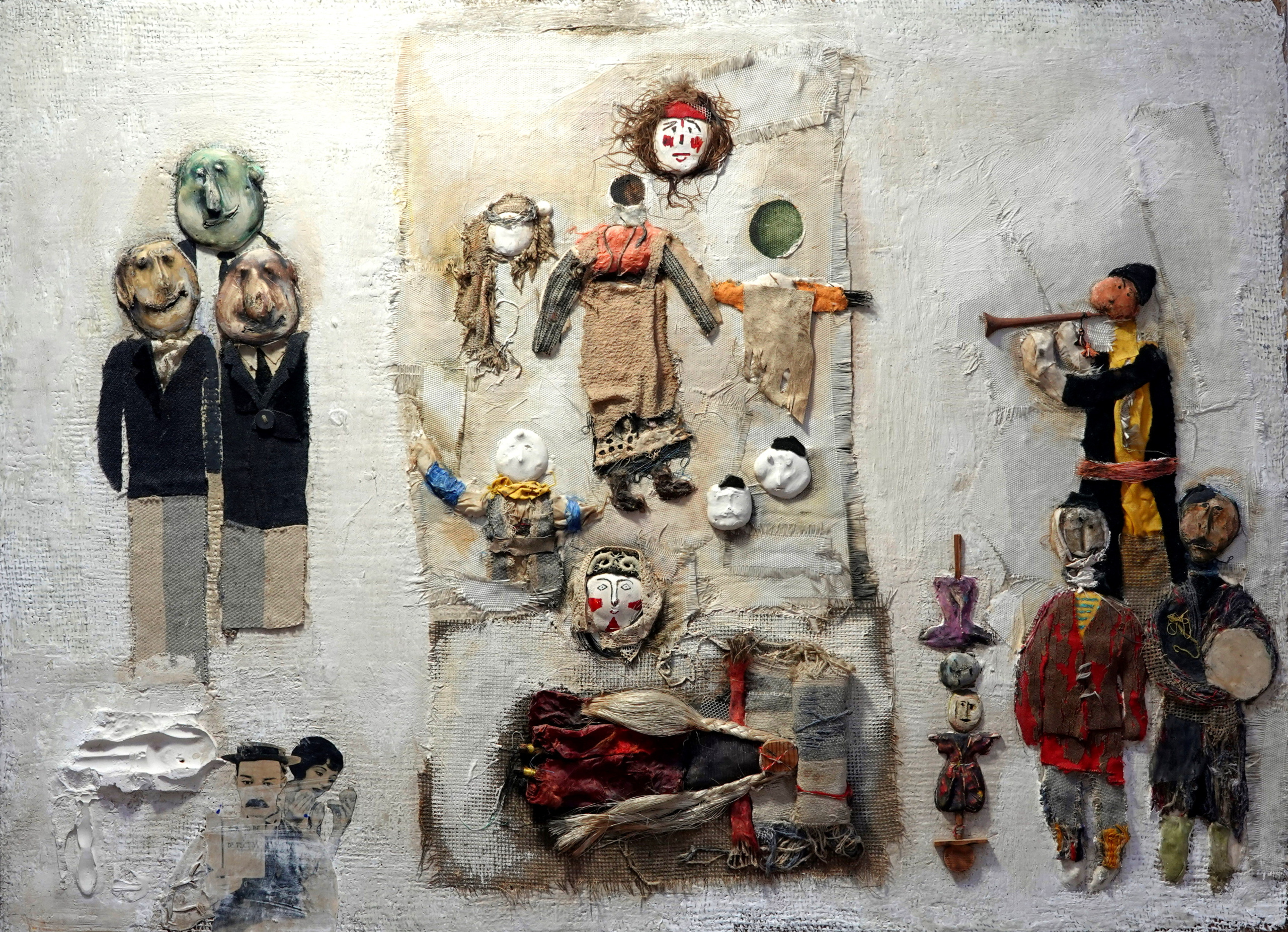
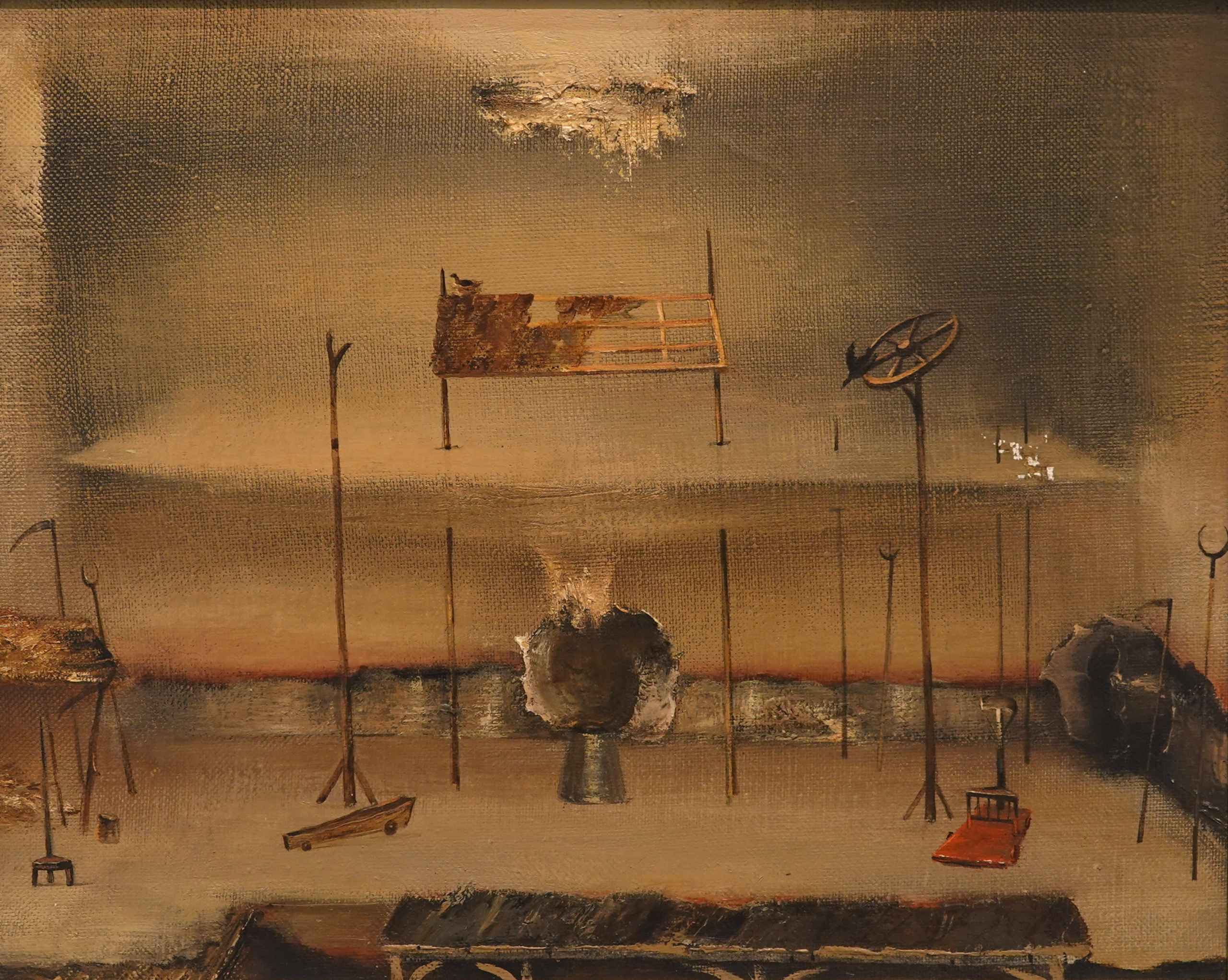
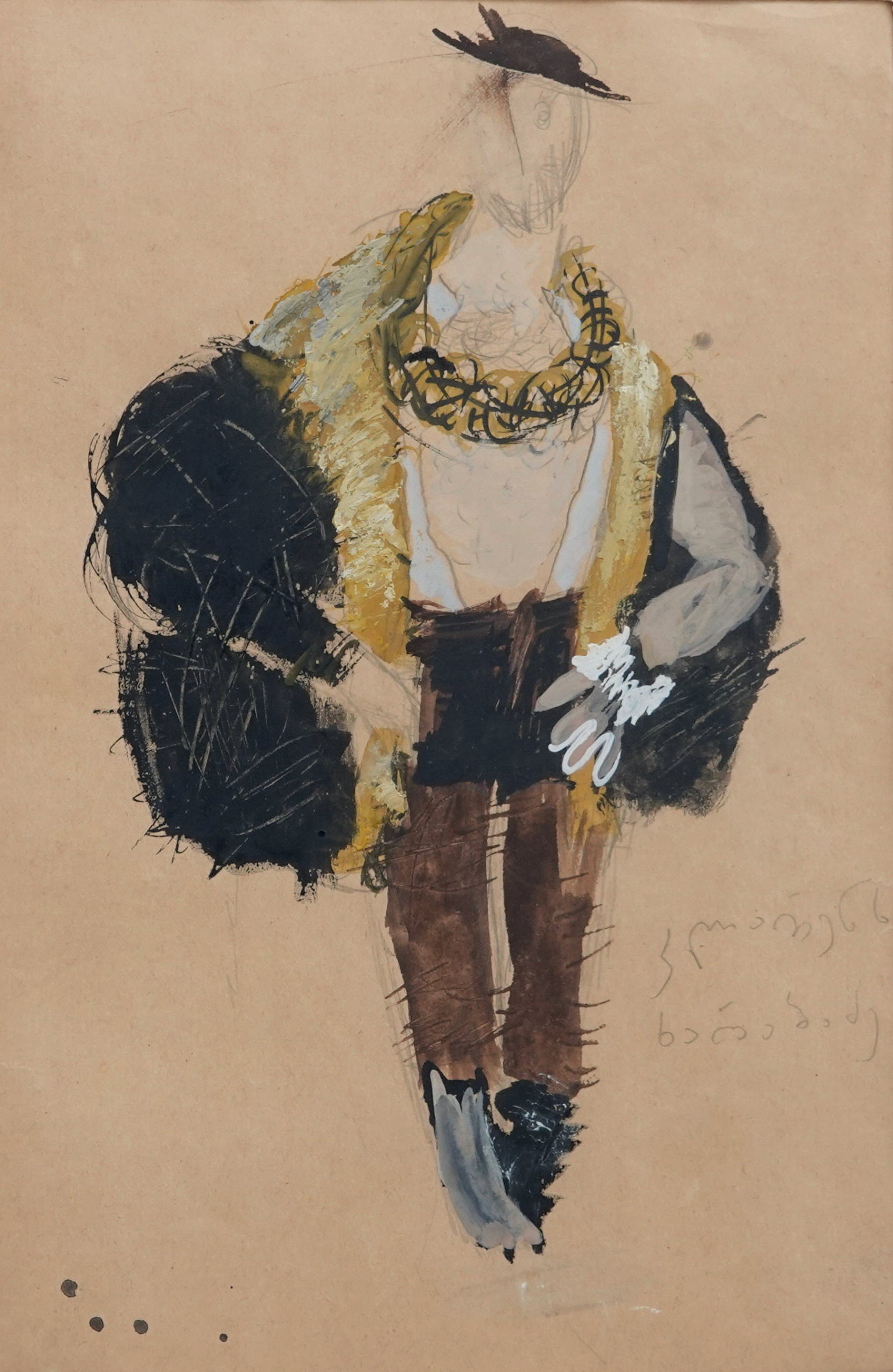
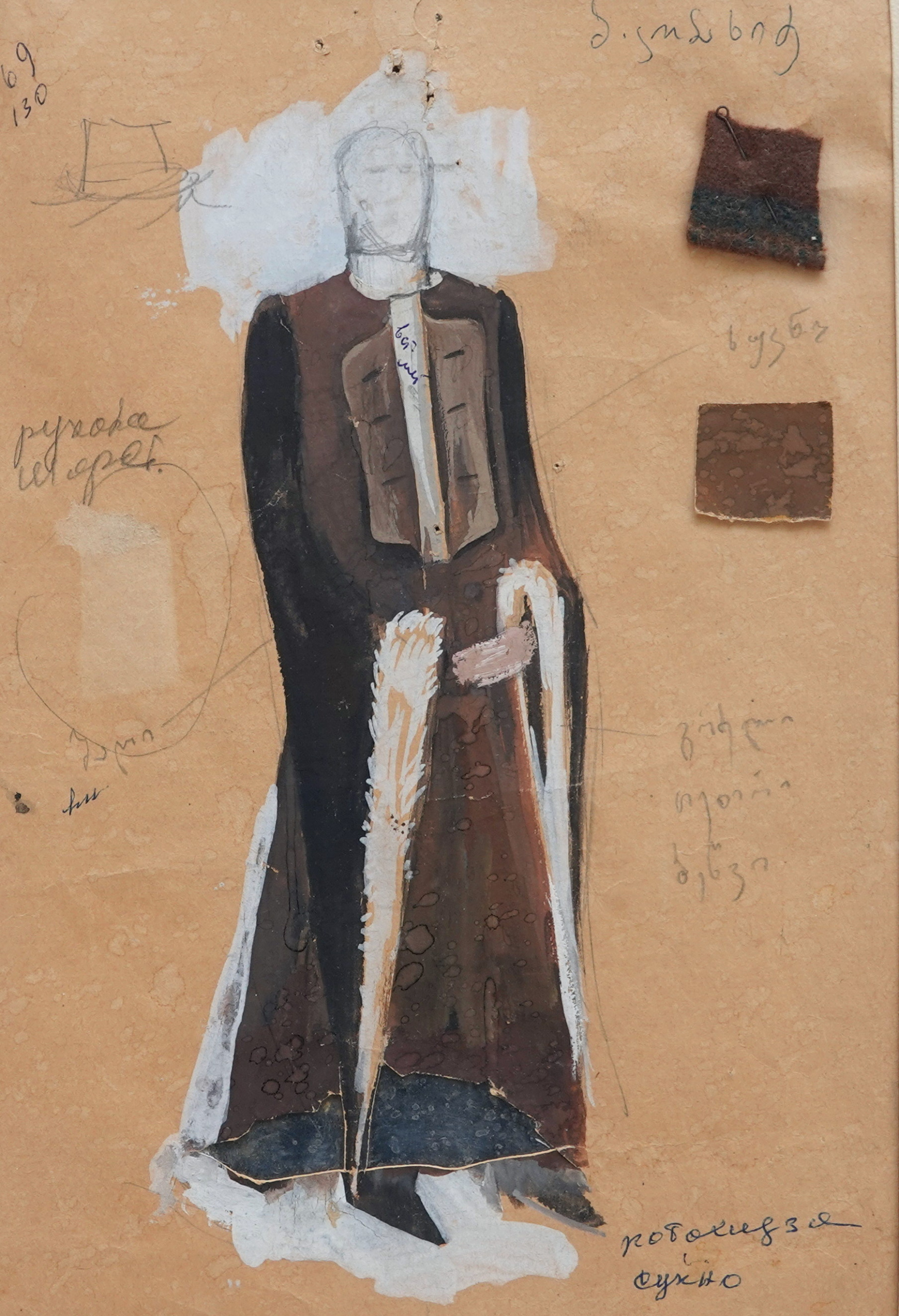
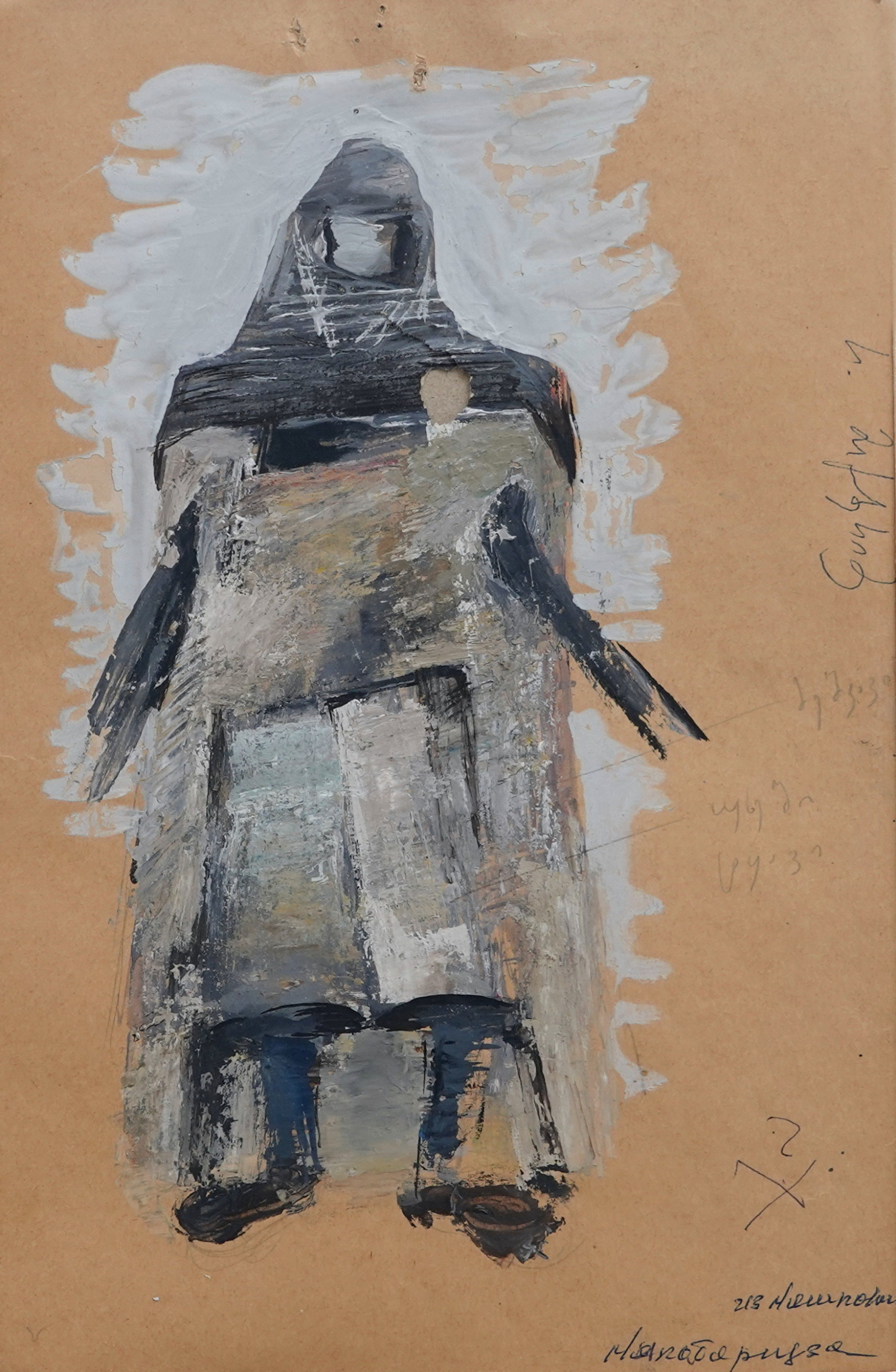
Mirian Shvelidze (1947–2022) was a stage designer, painter, and interior artist and a leading figure in Georgian stage design in the second half of the twentieth century. Through his longstanding collaboration with Robert Sturua, he helped renew the visual language of Georgian theatre. In his stage designs, space, objects, costumes, and textures are as integral to a production’s intellectual and emotional content as the dramatic action itself. His work is distinguished by its inventive use of theatrical convention, its wide variety of materials and textures, and its references to art from different periods and cultures.
Born in Tbilisi on 1 January 1947, Shvelidze graduated from the Faculty of Painting at the Tbilisi State Academy of Arts in 1971, specialising in theatre design. In 1975, he joined the Rustaveli Theatre as a stage designer. The theatre became the principal setting for his work, particularly his collaborations with Robert Sturua. Their creative partnership lasted until Shvelidze’s death.
Shvelidze designed the sets for Sturua’s landmark productions of Polikarpe Kakabadze’s Kvarkvare and William Shakespeare’s Richard III, King Lear, Hamlet, Julius Caesar and Macbeth. His theatre credits also include David Kldiashvili’s Darispan’s Misfortune, Ilia Chavchavadze’s Is He a Human, This Man?!, Grigol Robakidze’s Lamara, Samuel Beckett’s Waiting for Godot and Irakli Samsonadze’s The Sweetish, Sad Scent of Vanilla.
He also worked with Tbilisi’s Alexander Griboyedov Theatre and Liberty Theatre, as well as theaters in Turkey, Greece, and Israel. For television, he designed Temur Chkheidze’s production of Jaqo’s Dispossessed, based on the novel by Mikheil Javakhishvili.
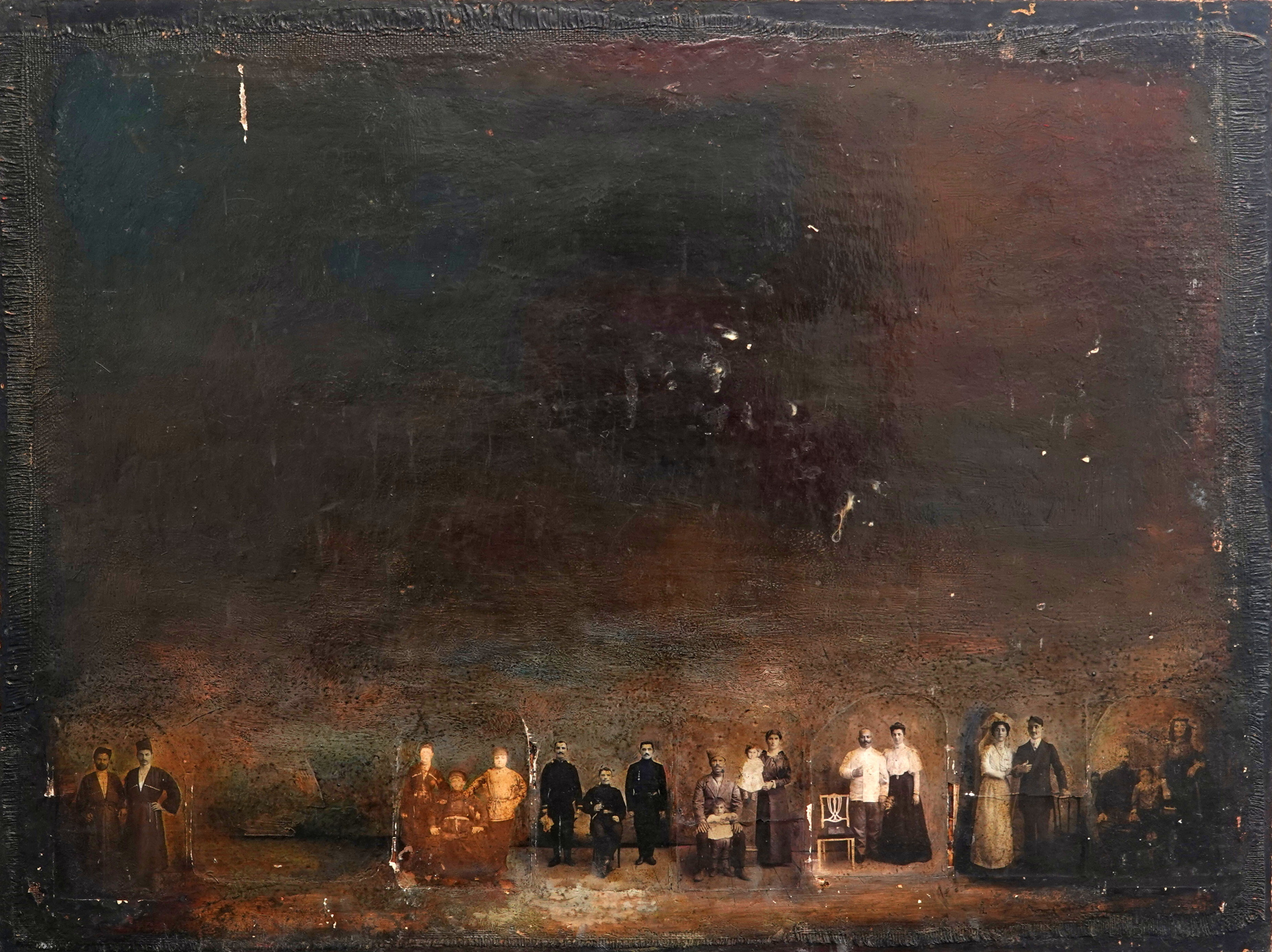
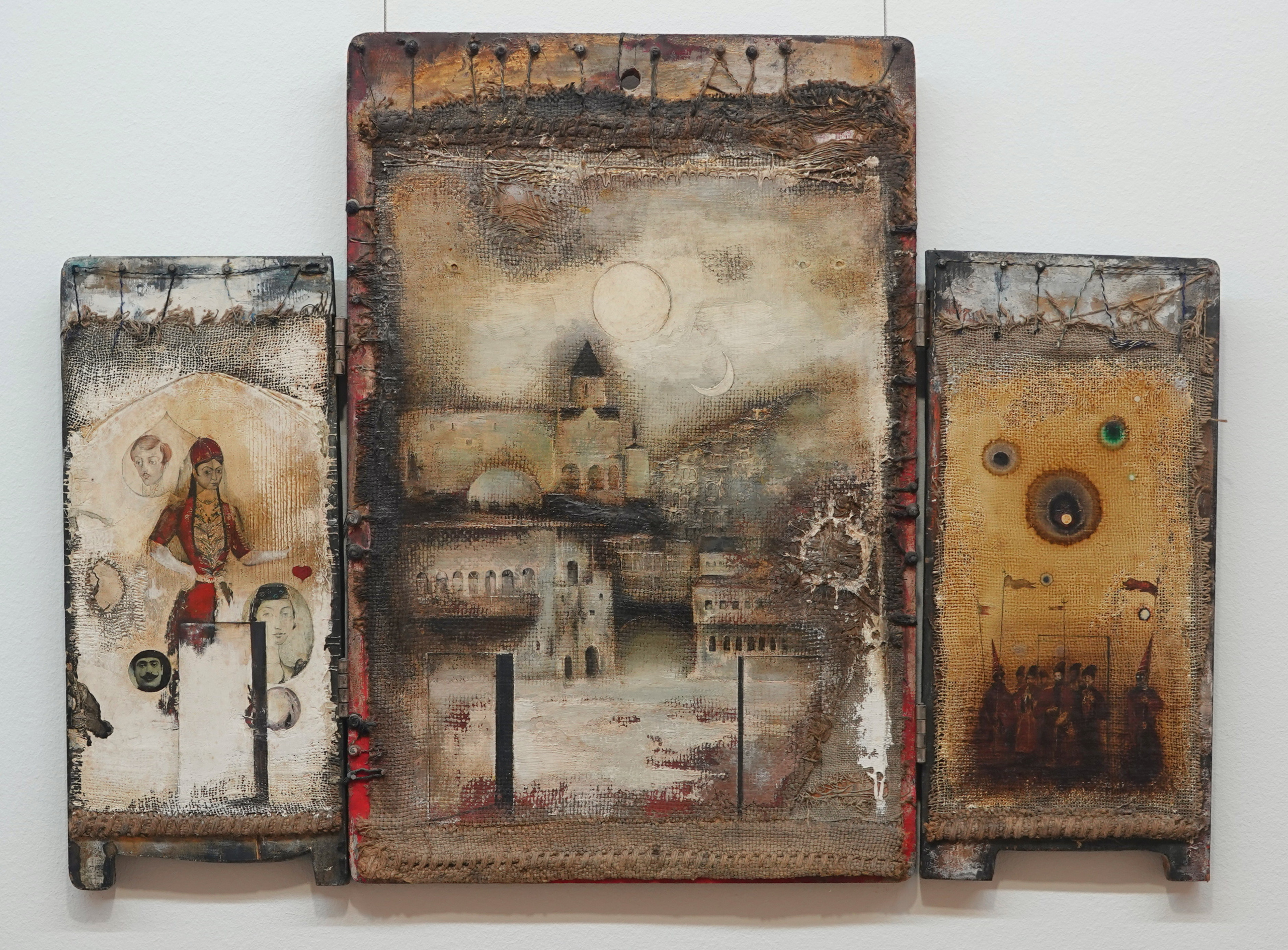
Tbilisi occupies a central place in Shvelidze’s painting. In his work, the old city emerges as an illusory world reminiscent of a stage model. Historical imagery, early photographs, fragments from family albums, and references to other works of art combine to form a multilayered portrait of the city. Alongside oil painting, collage was an important medium in his practice, which also encompassed abstract compositions.
Shvelidze also made a significant contribution to the interiors of Tbilisi’s public venues. He created wall collages for the VIP bar at the Palace of Rituals and for the restaurants Marco Polo, Phaeton, and Golden Mug. Bringing together imagery from different periods and cultures, he imbued these spaces with a theatrical atmosphere.
Particularly notable was the interior of Marco Polo, a well-known Tbilisi restaurant of the 1990s, which he designed with Ushangi Imerlishvili and Gogi Kvrivishvili. Shvelidze created the ceiling composition and wall panels depicting key destinations along Marco Polo’s journey on the Silk Road. Executed on cotton fabric using collage techniques, the ceiling composition united imagery from Western and Eastern art.
Shvelidze received the title of People’s Artist of Georgia in 1980, the Shota Rustaveli State Prize in 1981, and the State Prize of Georgia in 1996.
He died on 9 February 2022.