Ucha (Ilia) Japaridze was a Georgian painter, graphic artist, book illustrator, and educator, and one of the major figures in twentieth-century Georgian visual art.
In Georgian art historiography, he is recognized primarily as one of the founders and leading representatives of Georgian Socialist Realist painting. His long artistic career, however, reflects a broader historical and artistic transformation – from Georgian modernism to the ideologically regulated system of Socialist Realism.
Japaridze was born in 1906 in the village of Ghari, in the mountainous region of Racha. He received his initial artistic training at the Oni School of Art and later studied at Mose Toidze’s studio in Tbilisi. In 1924, he enrolled in the Painting Department of the Tbilisi Academy of Fine Arts, graduating in 1931. His artistic development was profoundly shaped by his relationship with established painters and educators: Davit Kakabadze, Lado Gudiashvili, Yeghishe Tadevosyan, Iosif Charlemagne, and Yevgeny Lanceray. Their influence is evident in the compositional freedom, decorative use of color, and symbolic and metaphorical imagery of his early work.
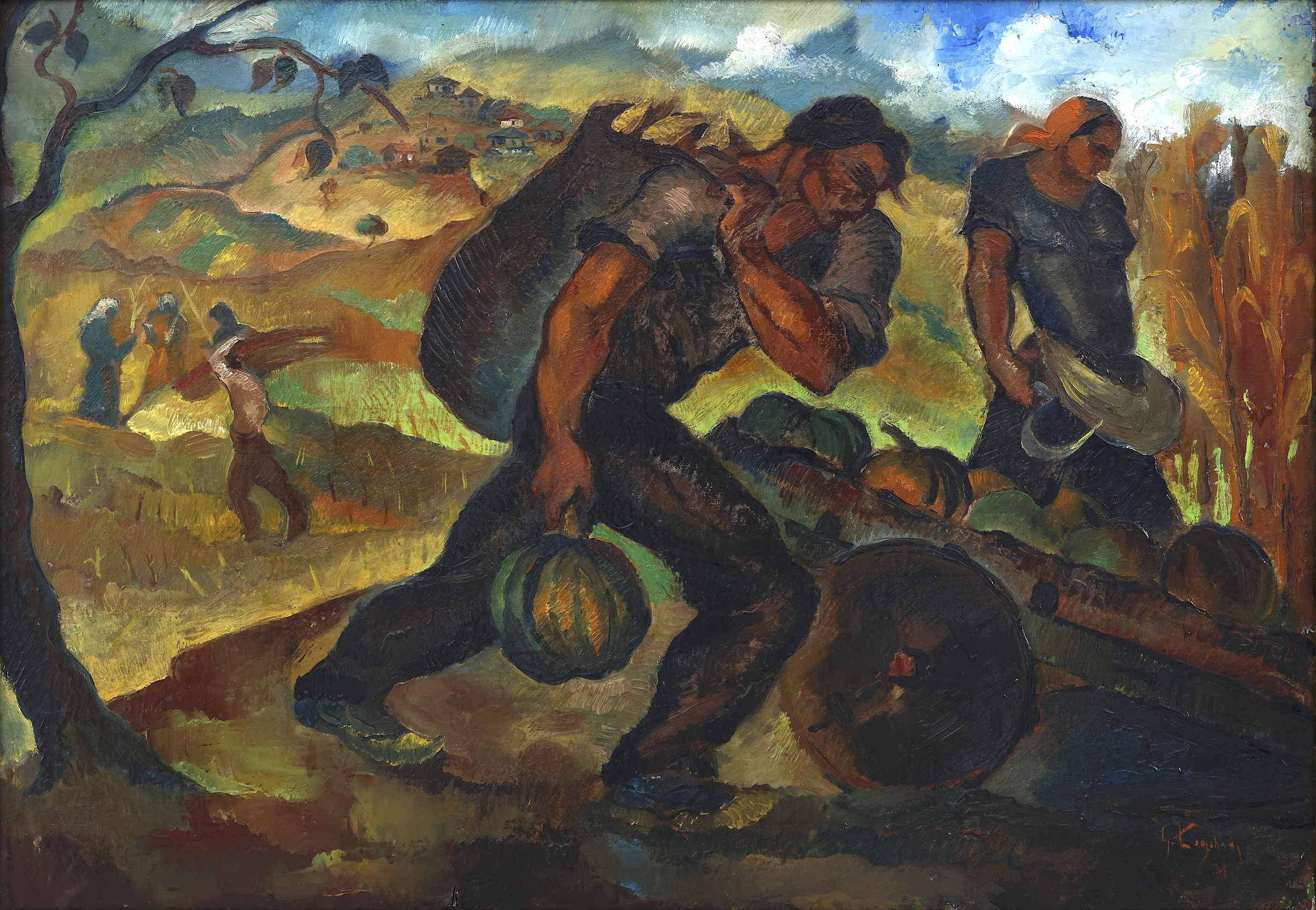
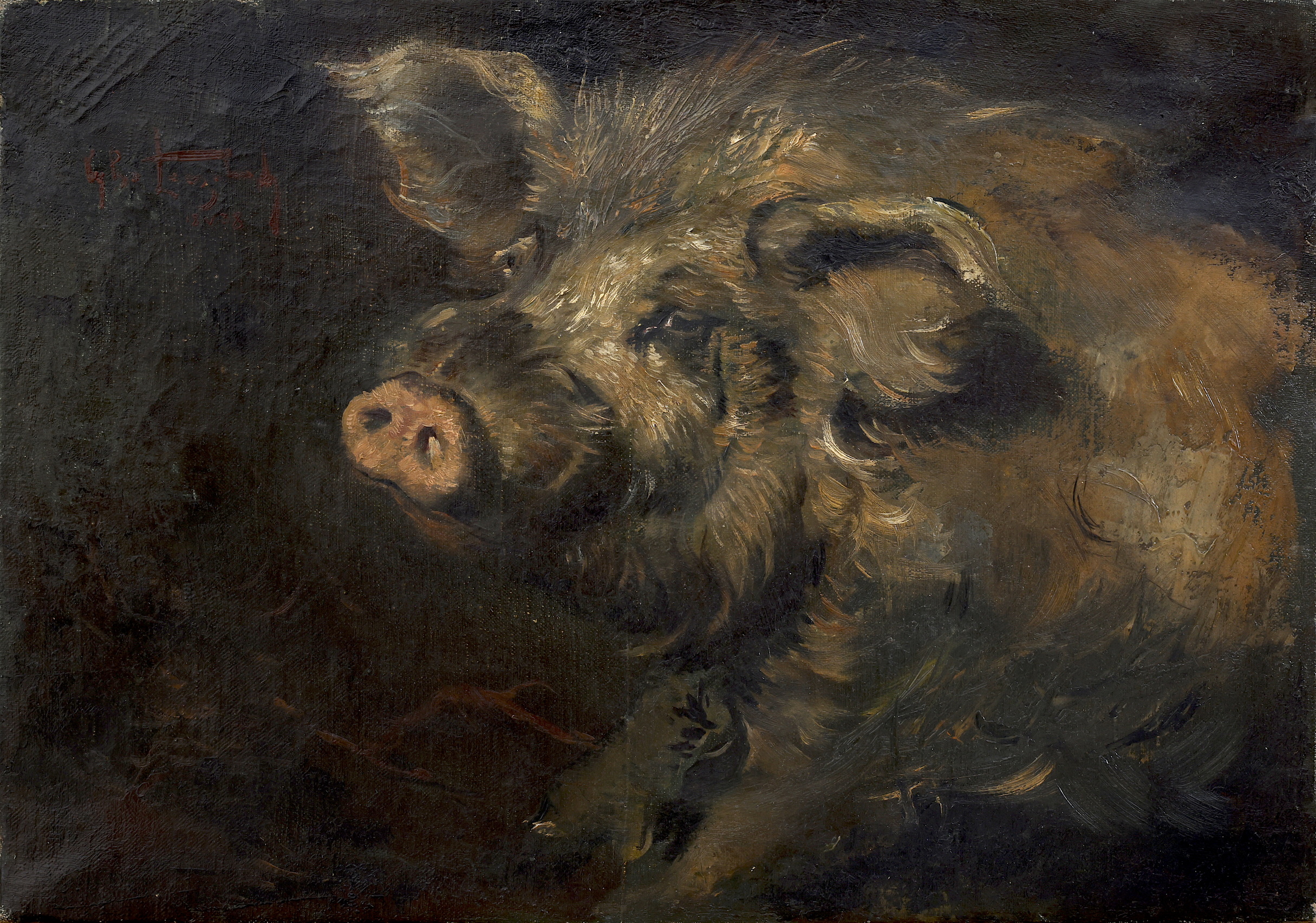
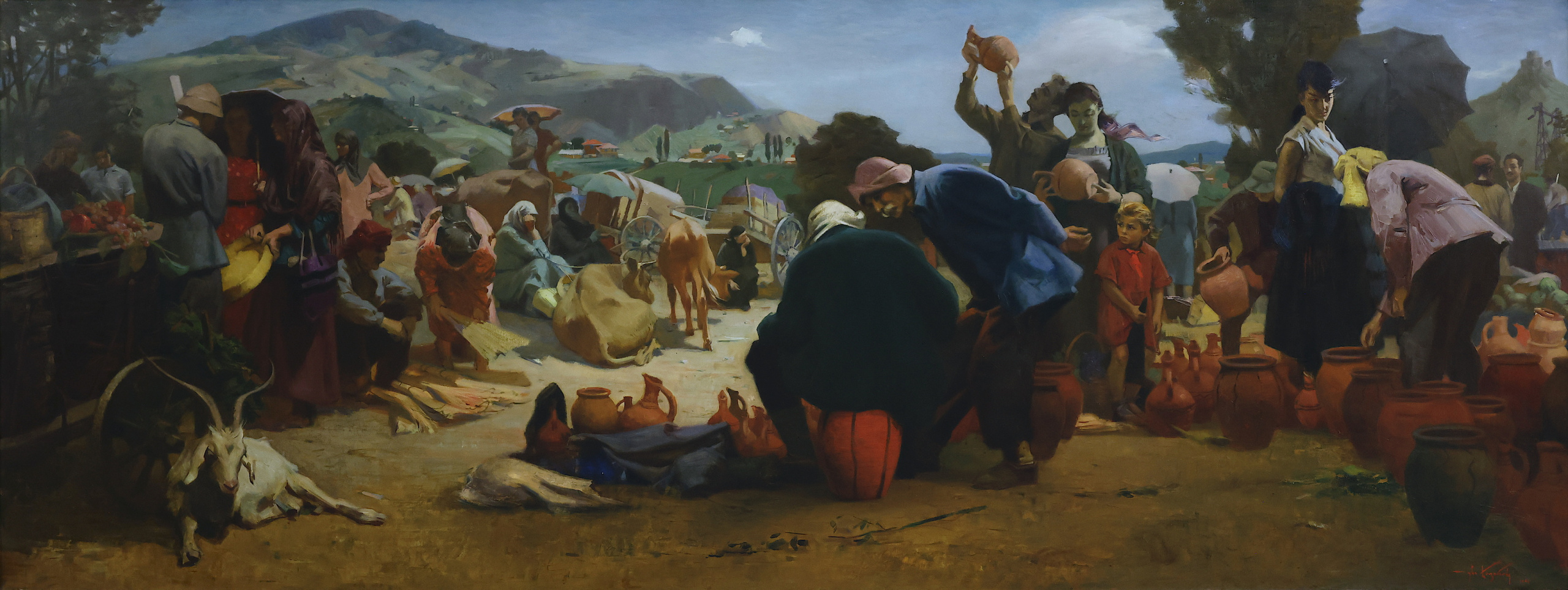
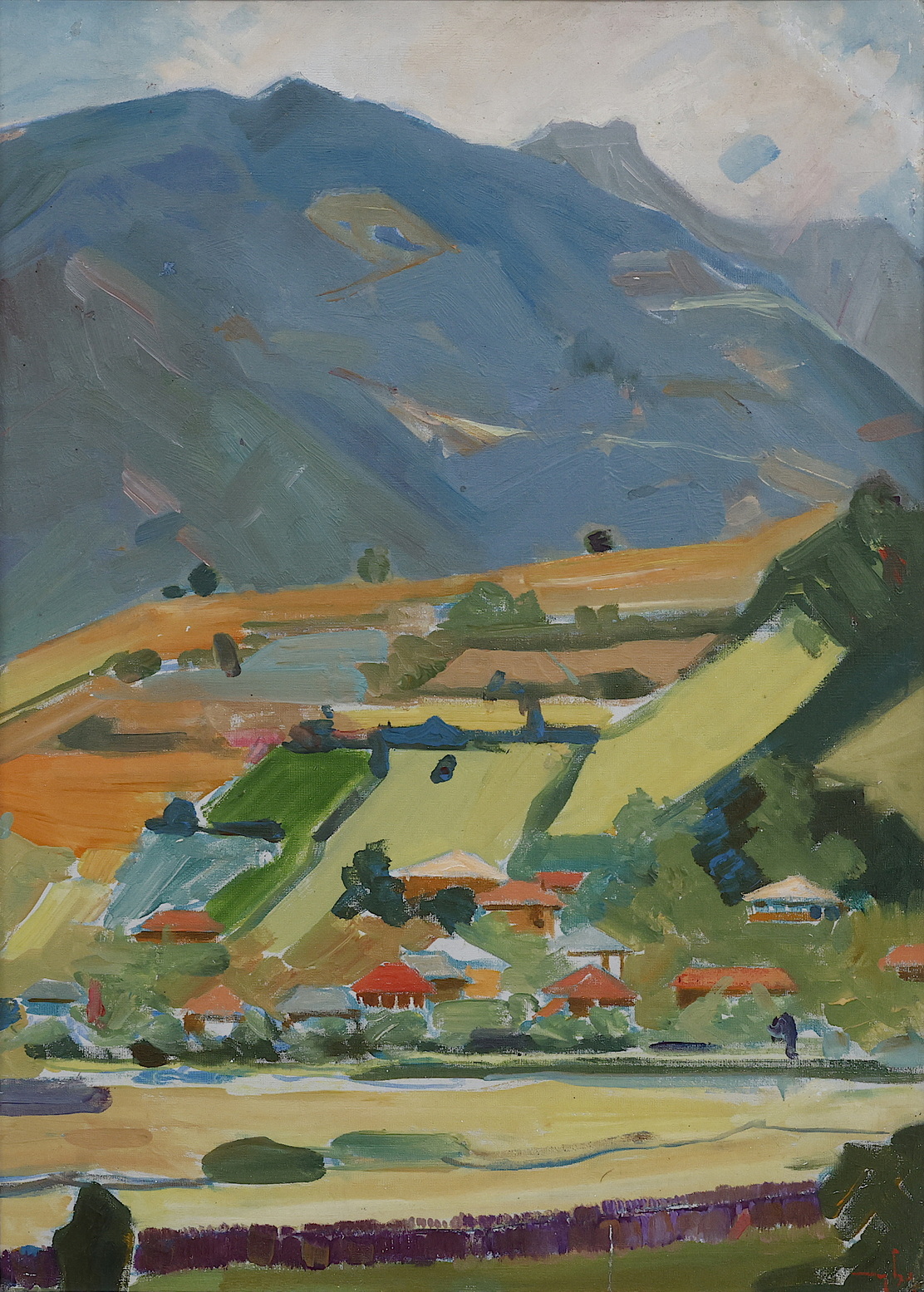
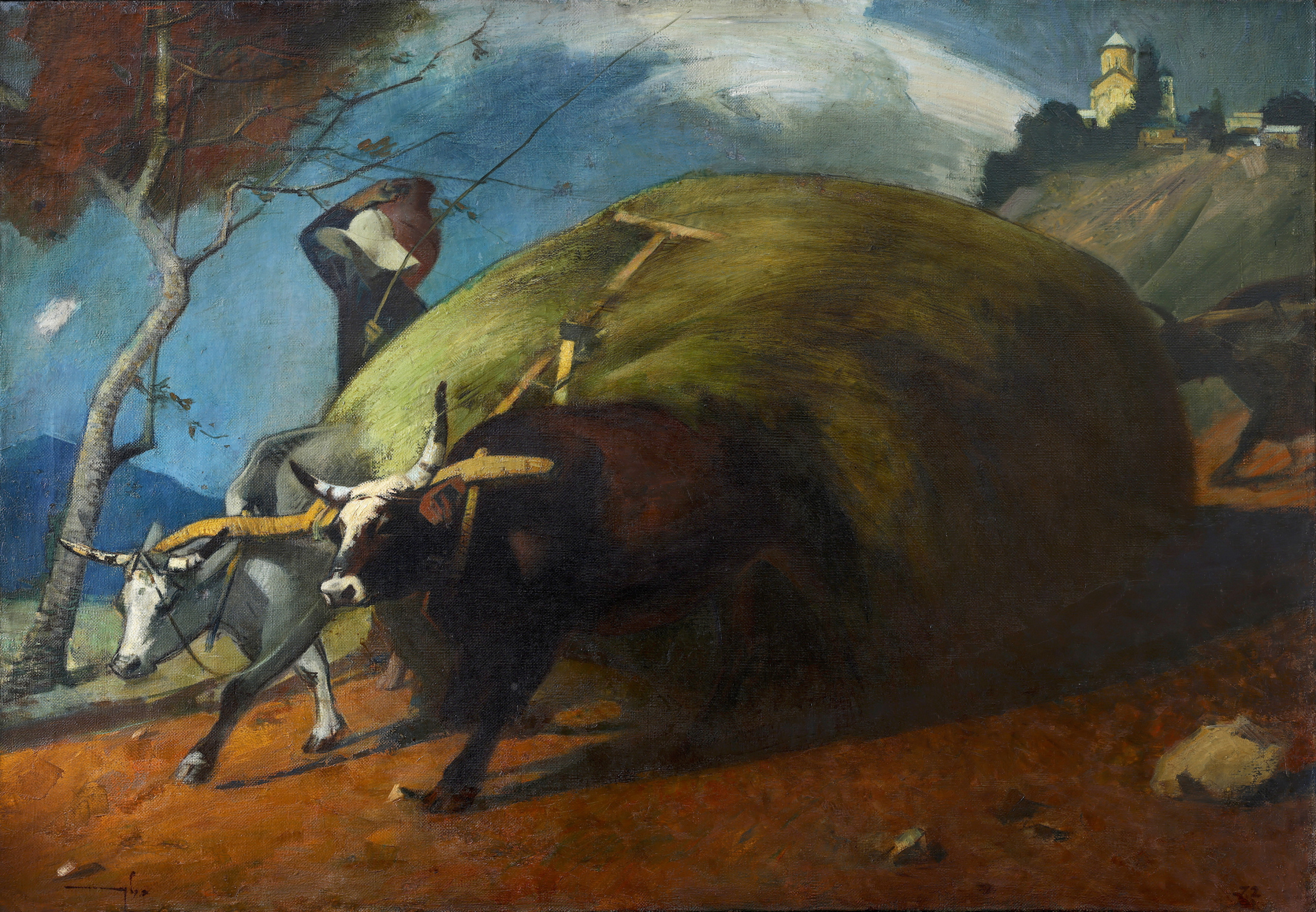
Japaridze’s earliest significant works were in book illustration. In 1926, he produced illustrations for Ioseb Imedashvili’s poem Mzetamze and Rodion Korkia’s short story For the Truth. In 1931, he exhibited The Old and the New at an exhibition organized by SARMA, the Association of Revolutionary Artists of Georgia. From the 1930s onward, his work gradually entered the thematic and stylistic framework of Socialist Realism. Alongside historical-revolutionary compositions and official portraits, however, he continued to paint landscapes of Racha and Tbilisi, scenes of rural life, psychologically nuanced portraits, and animal subjects.
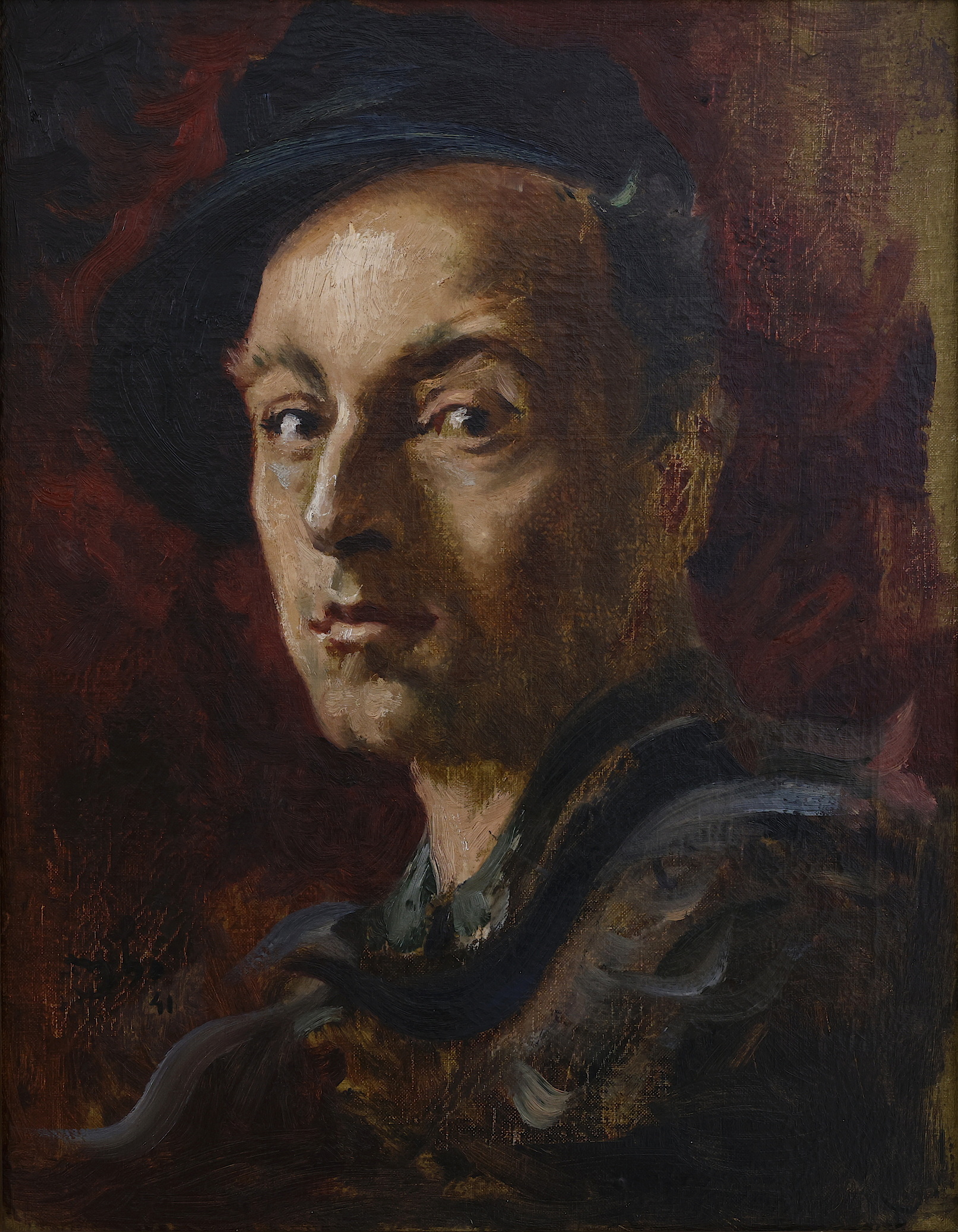
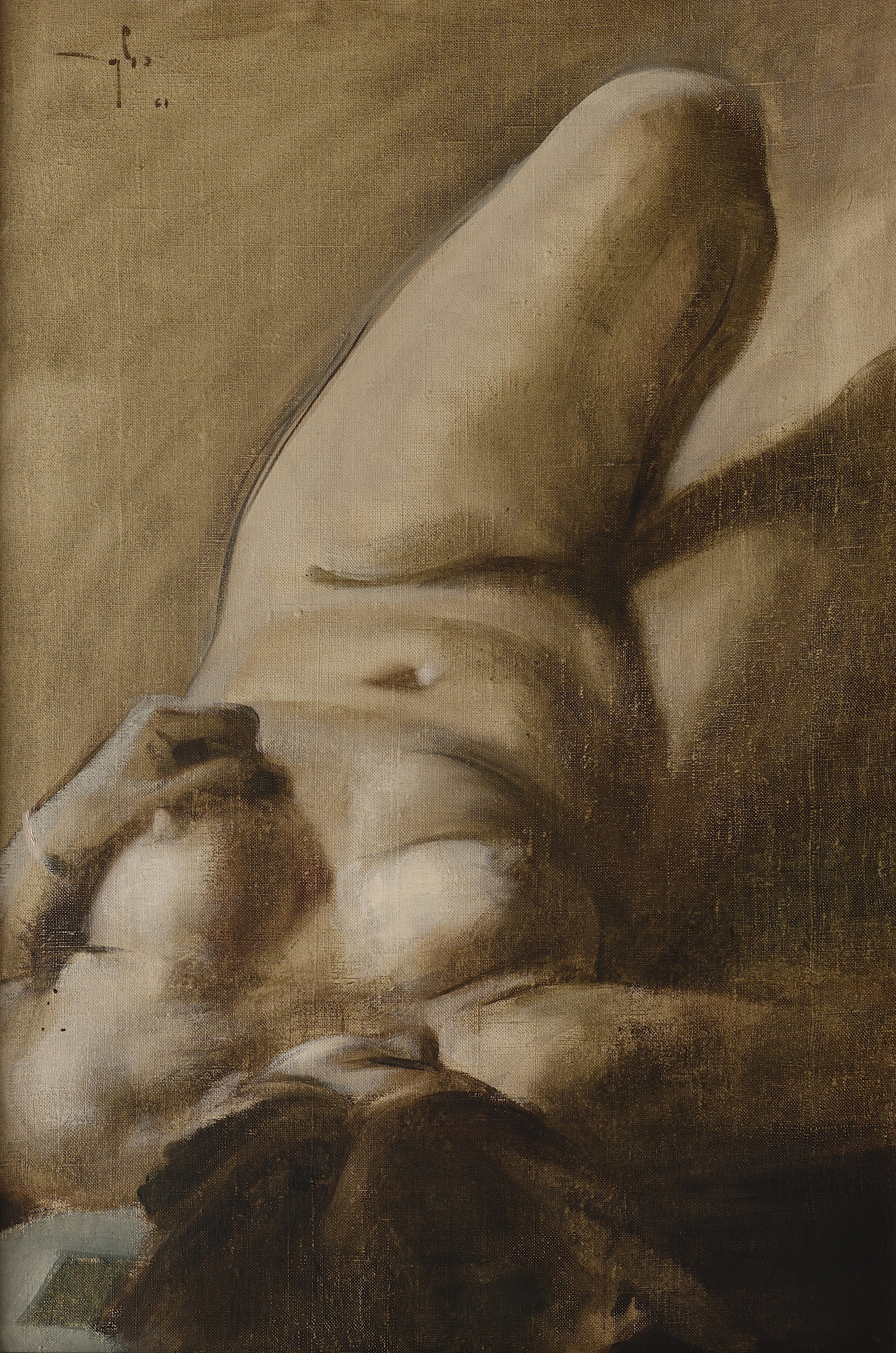
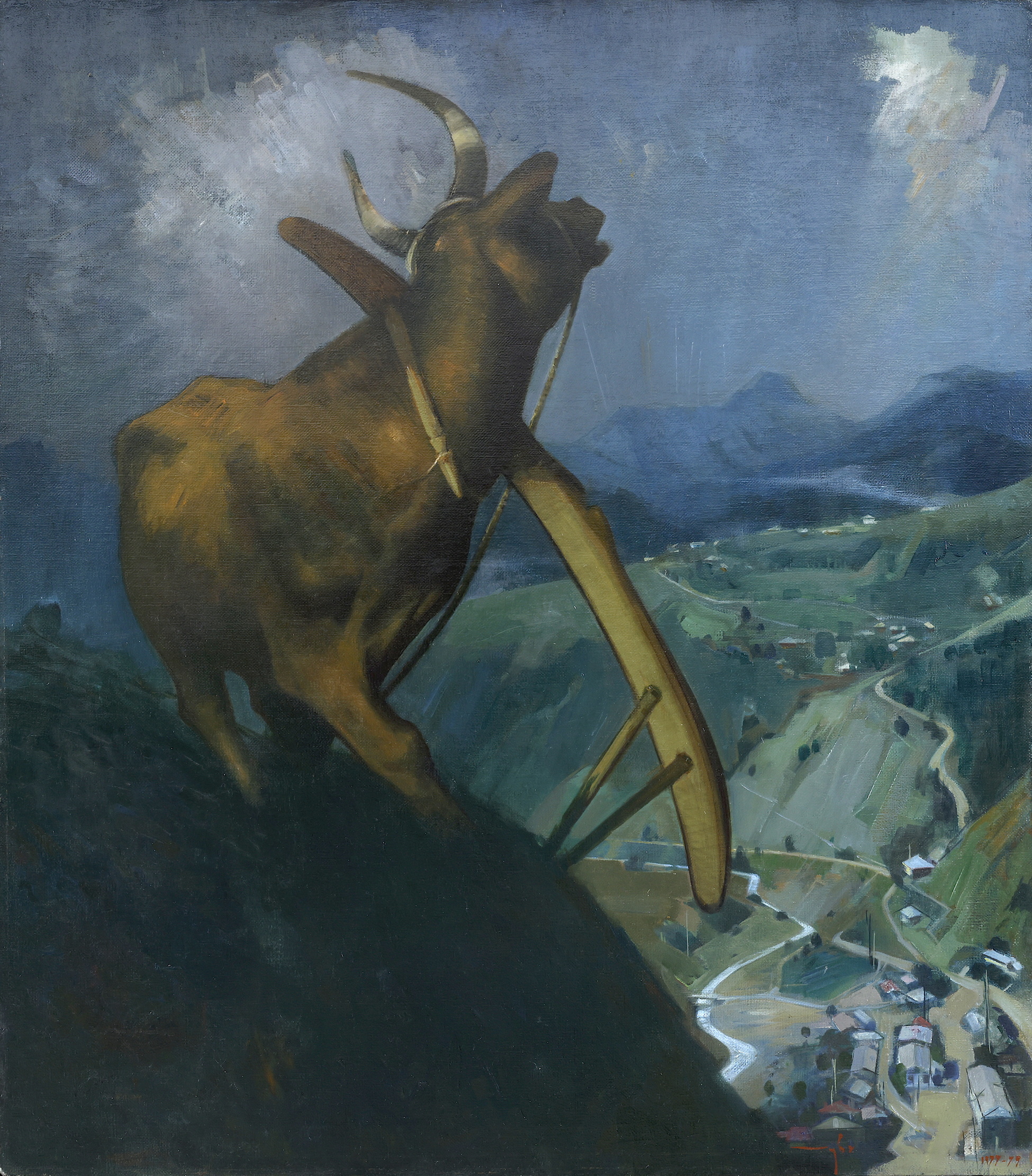
Portraiture occupied a particularly important place in Japaridze’s oeuvre. He portrayed his mother and wife, as well as numerous prominent figures of Georgian culture. Notable works include Margarita Asleep (1941), Mother, My Native Land (1957), Grunter (1938), Solitude (1977), and Nikortsminda (1972). For Japaridze, the rural world was not merely the subject of narrative genre painting: his human and animal figures frequently acquired metaphorical meanings associated with labor, sacrifice, endurance, and tragic experience. Book illustration was another important field of his artistic practice, most notably his illustrations for Ilia Chavchavadze’s Several Pictures, or Episodes from the Life of a Robber and Shota Rustaveli’s The Knight in the Panther’s Skin.
Japaridze began teaching at the Tbilisi Academy of Fine Arts in 1936 and served as its rector from 1942 to 1948. He was awarded the titles of People’s Artist of the Georgian SSR and People’s Artist of the USSR. In 1982, he was granted honorary citizenship of Tbilisi, and in 1987, he received the Shota Rustaveli State Prize.
His works are held in the Ucha Japaridze House Museum, the Georgian National Museum, the State Museum of Oriental Art in Moscow, and private collections. Today, his legacy allows his art to be understood not solely within the confines of socialist realism but as part of the complex, multilayered, and often contradictory history of twentieth-century Georgian art.