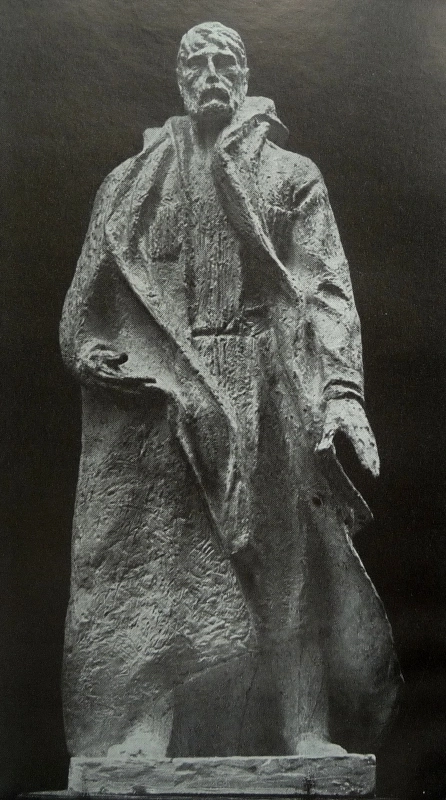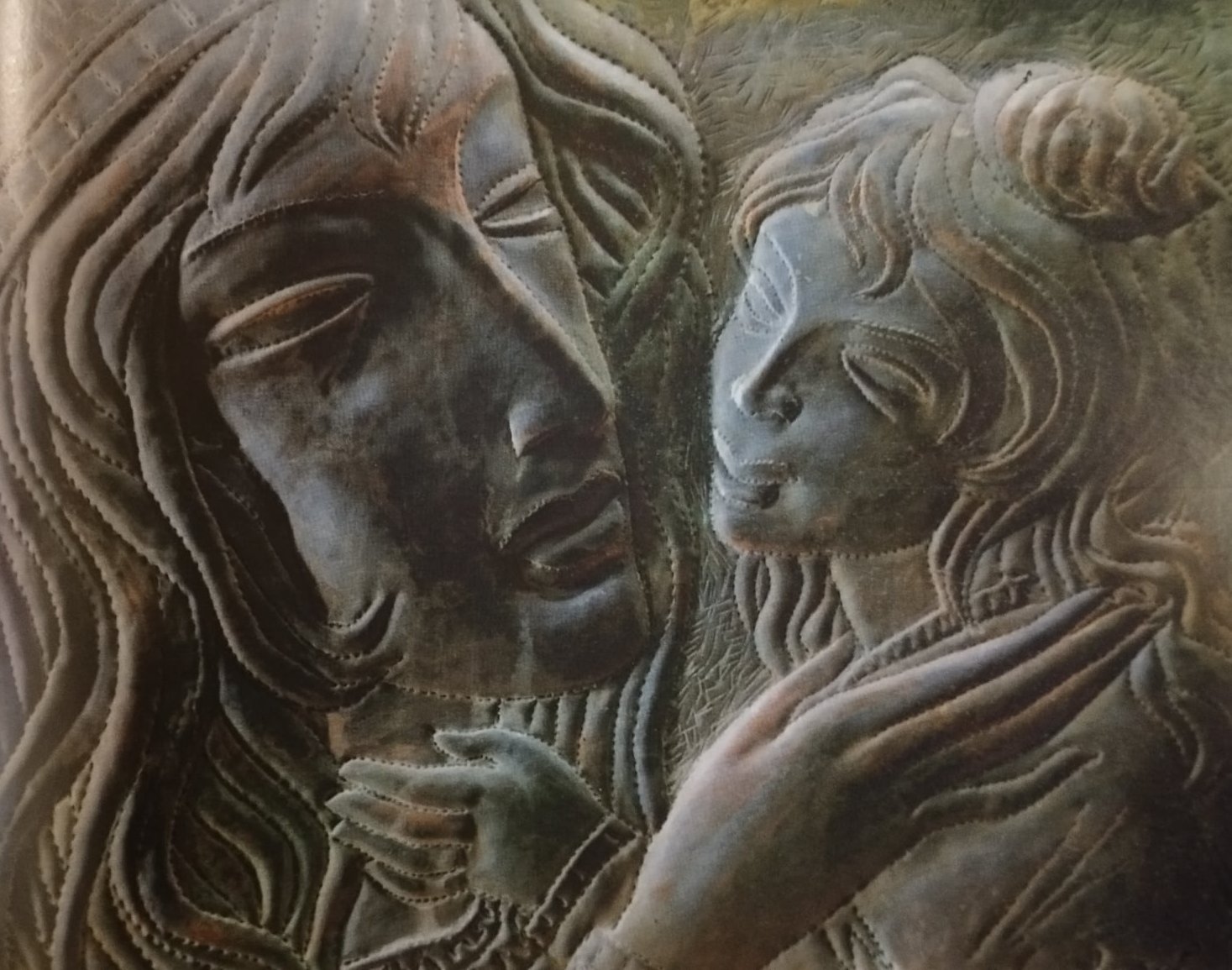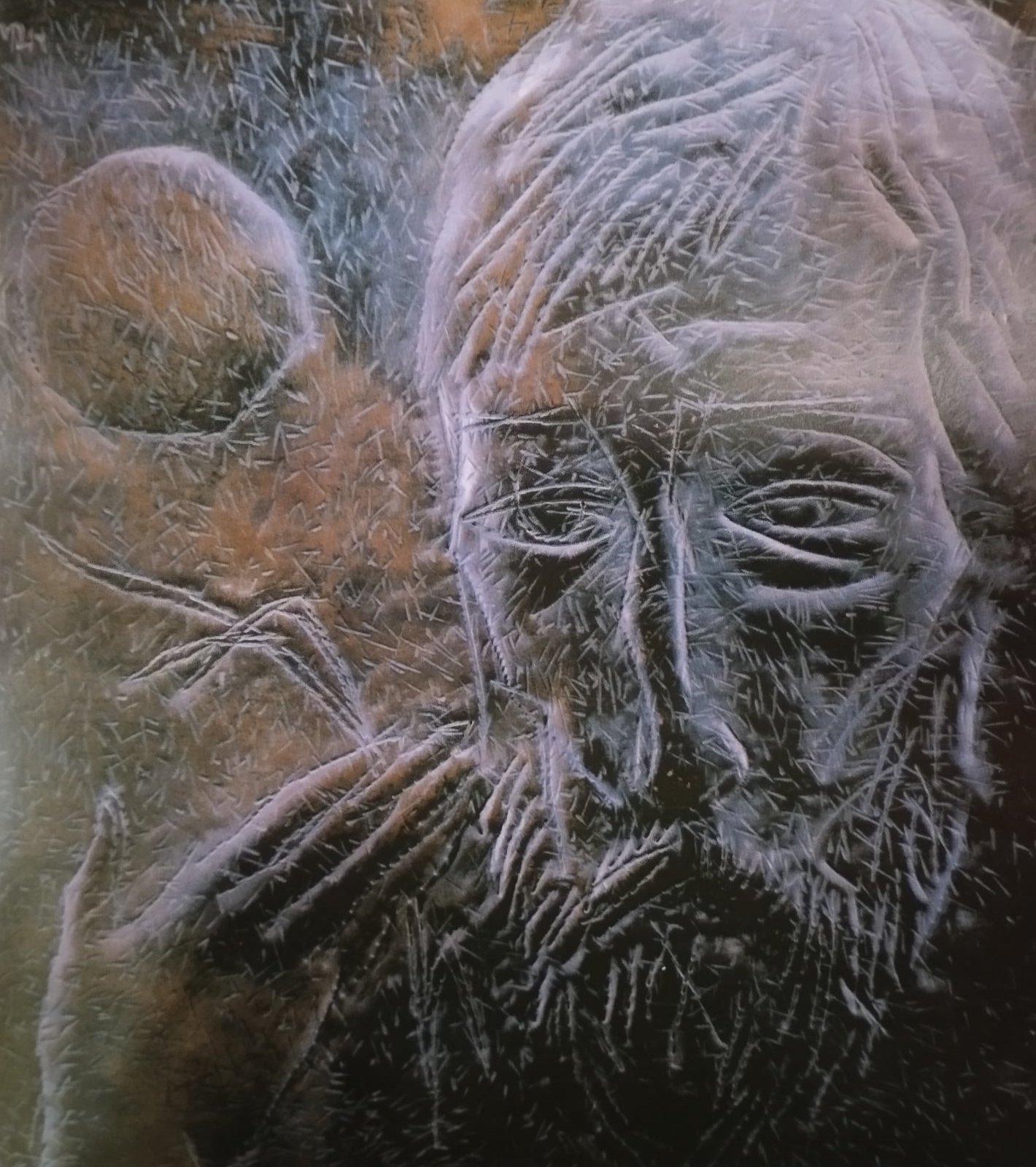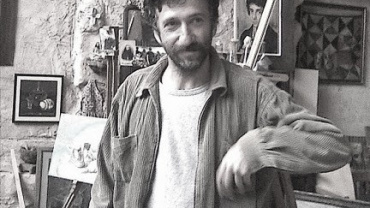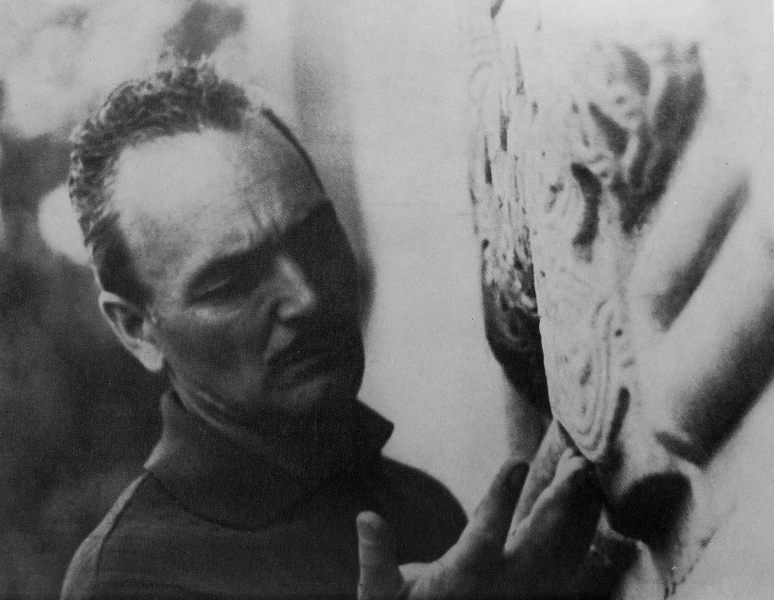

Irakli Ochiauri was a Georgian sculptor, painter, graphic artist, and People’s Artist of Georgia. He was born in 1924 in the village of Akhieli, Dusheti Municipality. From 1945 to 1951, he studied at the Tbilisi State Academy of Arts under the guidance of sculptor Iakob Nikoladze. His graduation work was Vazha-Pshavela. He began participating in exhibitions in 1953 and became a member of the Union of Artists of Georgia that same year.
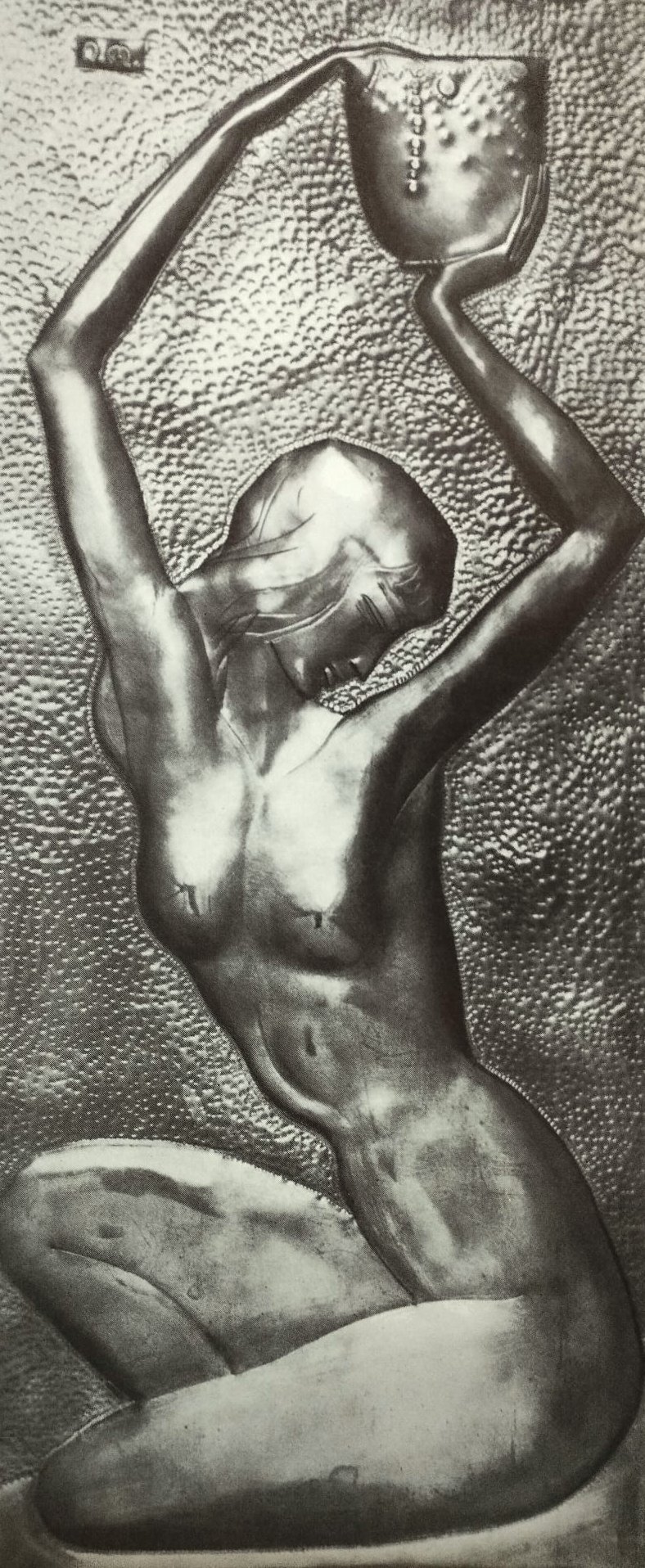
Ochiauri is credited with the revival and development of the Georgian tradition of repoussé metalwork. He created works in a variety of genres and formats, ranging from small-scale compositions to panels designed for interior and exterior spaces. He worked in brass, aluminium, and copper. Together with his brother, sculptor Gogi Ochiauri, he contributed to the artistic decoration of the Tbilisi Wedding Palace: Gogi Ochiauri created the exterior reliefs, while Irakli Ochiauri executed the repoussé metalwork for the interior.
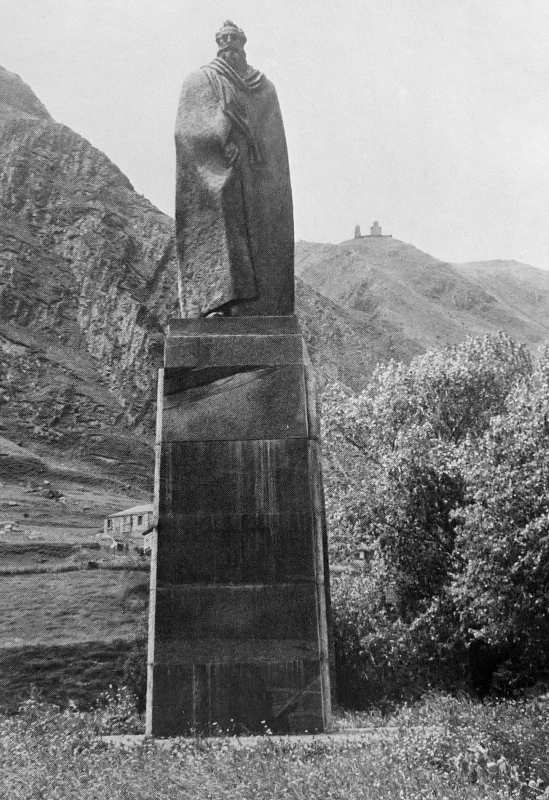
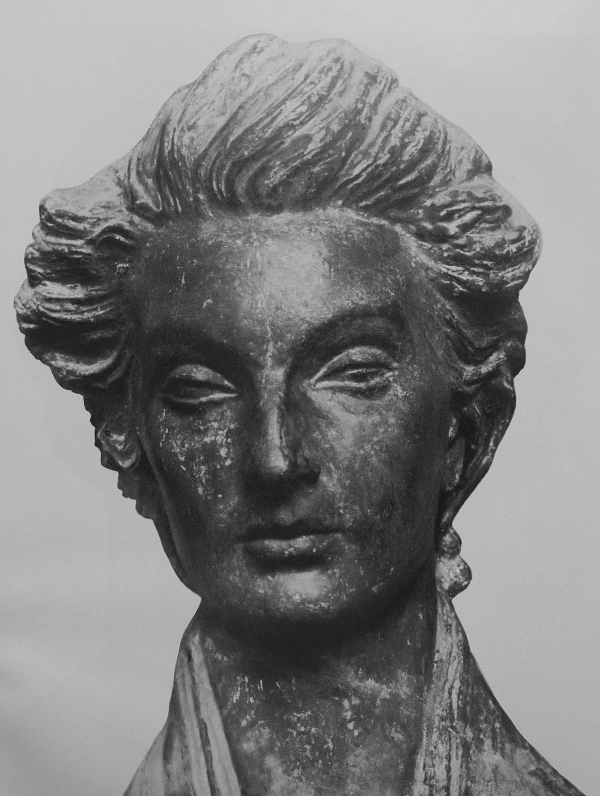
Monumental sculpture and portraiture occupy an important place in his sculptural oeuvre. His notable works include the Monument to Alexander Kazbegi in Stepantsminda (1959), the Monument to Vazha-Pshavela in Dusheti (1985), the Portrait of Vazha-Pshavela, held in the collection of the State Tretyakov Gallery in Moscow, and the Portrait of Engineer Irine Jandieri, held in the collection of the Georgian Museum of Fine Arts.
Ochiauri participated in numerous national and international exhibitions, including the World Expositions in Montreal (1969) and Osaka (1972), as well as the Venice Biennale. His works are held in the collections of the Georgian Museum of Fine Arts, the State Tretyakov Gallery, the Seattle Art Museum, and private collections in Japan, the United States, and other countries.
Irakli Ochiauri was a People’s Artist of Georgia and a laureate of the USSR State Prize.